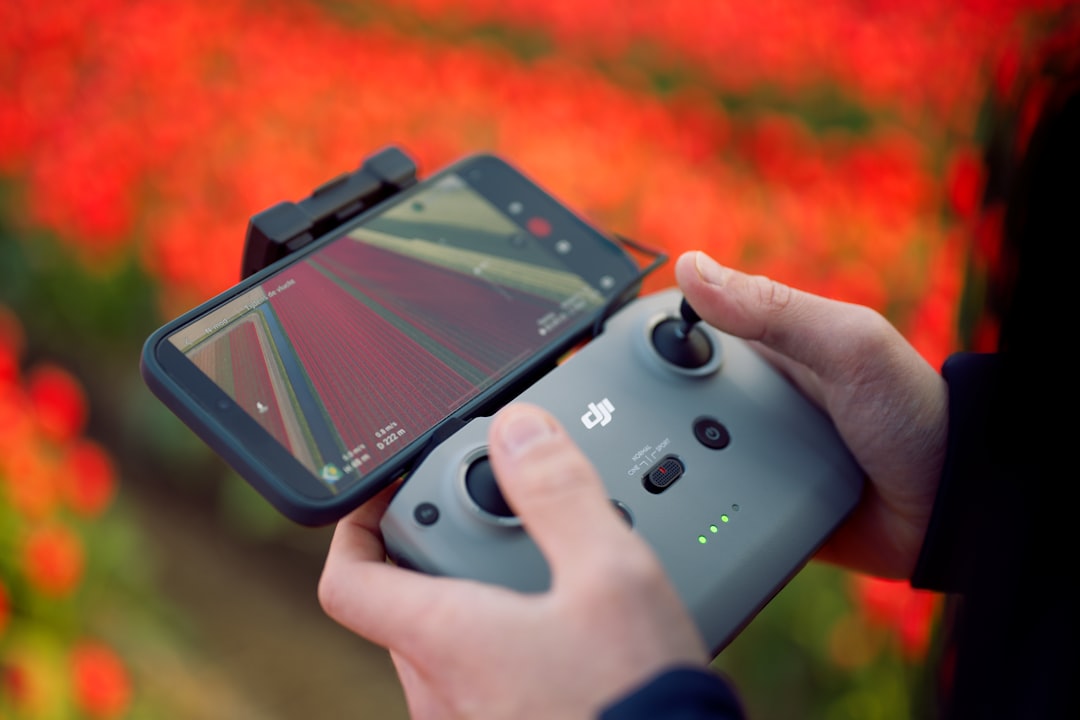
If you own a Steam Deck, ROG Ally, or Legion Go, the idea behind the Lenovo Legion Glasses 2 is immediately appealing: a micro-OLED display you wear like glasses, turning your handheld into something closer to a private big-screen setup without hauling a monitor around. The current discount is notable not just because it lowers the entry price, but because it spotlights a bigger question in the handheld market: are wearable displays the next must-have category after docks, grips, and power banks? For gamers trying to decide whether to spend on a portable gaming monitor, upgrade a dock, or buy dedicated Steam Deck accessories, this deal is a useful signal about where the hardware ecosystem is heading.
At videogames.link, we look at deals as more than temporary price drops. The real question is whether a product solves a recurring problem, like screen size, portability, comfort, and latency, in a way that fits how people actually play. That matters for handheld PC gaming because the category lives or dies on convenience. If you’re researching gaming hardware deals, comparing the value of a wearable display to a traditional external monitor, or trying to decide between ROG Ally accessories and a more universal accessory, this guide will help you separate hype from practical value.
What the Legion Glasses 2 Actually Changes for Handheld PC Gaming
A private big-screen experience without the desk
The core pitch is simple: instead of tethering your device to a 24-inch monitor or a TV, you put on the glasses and get a virtual display in your field of view. That means the gaming “screen” travels with you, whether you’re on a train, on a couch, in a hotel, or at a noisy event where a traditional setup is impractical. Lenovo’s positioning makes sense because handheld owners often want a larger image, but not necessarily a larger physical setup. A product like this sits in the middle ground between pure portability and immersive comfort.
That middle ground matters because handheld players are already used to compromise. A Steam Deck is comfortable to carry but not always ideal for text-heavy games; a ROG Ally can deliver stronger performance but still asks you to lean in; a Legion Go offers a larger panel but is still tiny compared with a monitor. Wearable micro-OLED can reduce that tradeoff by preserving mobility while increasing perceived screen size. For players who already keep a spreadsheet of first-order offers and accessories, the question becomes whether this is the most efficient upgrade dollar-for-dollar.
Why micro-OLED matters more than “portable” branding
Not all small screens are equal, and that’s where micro-OLED display tech becomes relevant. OLED’s signature strengths—deep blacks, strong contrast, fast pixel response, and vibrant color—fit gaming better than many inexpensive portable LCD panels. For darker titles, roguelikes, space games, horror, and JRPGs, the difference can be dramatic. The “screen floating in front of you” effect also benefits from strong contrast because it helps the virtual image feel sharper and more defined than an average portable panel.
At the same time, the phrase “micro-OLED” can create unrealistic expectations. A wearable display is still limited by optics, fit, motion comfort, and the quality of the device feeding it. So while the panel itself may be excellent, the overall experience depends on whether you can wear it for an hour, whether your handheld can output clean video, and whether the game benefits from a larger perceived screen. That is the same sort of reality check you’d apply when comparing specs in a detailed buyer guide like Choosing the Right Android Skin—features matter, but implementation matters more.
Who actually benefits the most
These glasses are likely best for a specific kind of player: someone who values immersive single-player gaming, watches a lot of handheld media, travels often, or plays in shared spaces where a monitor is inconvenient. If you mostly play competitive shooters, precision-heavy action games, or anything that depends on couch co-op visibility, a wearable screen may be less compelling than a traditional monitor. If you mainly want one device that behaves like a tiny desktop replacement, a docked setup may still make more sense. The Legion Glasses 2 deal is attractive because it gives a premium-feeling option to a niche that is growing, but not universal.
Pro Tip: The best accessory isn’t always the one with the highest specs; it’s the one you’ll use every week. If a wearable display only sounds exciting on paper, your money may be better spent on battery, storage, or a dock.
How the Legion Glasses 2 Compare to Traditional Portable Gaming Monitors
Wearable display vs. tabletop portable monitor
A traditional portable gaming monitor usually wins on shared usability, clearer ergonomics, and broader compatibility with laptops, consoles, and handhelds. It can be placed on a stand, used by multiple people, and adjusted more naturally for long sessions. The Legion Glasses 2, by contrast, excel when space is tight, privacy matters, or you simply don’t want to carry a panel, stand, and cables. The tradeoff is that the wearable approach is more personal and more dependent on comfort.
For solo play, this distinction is huge. A 15-inch portable monitor gives you a fixed reference point, while a wearable screen creates a personal theater-like setup. That means different strengths for different use cases. If you’re trying to decide between a monitor and a wearable display, ask a simple question: do you want a shared portable station, or do you want maximum portability and privacy? For people already browsing real multi-category deals, that use-case test often matters more than raw resolution.
What you lose when you leave the desk behind
Wearable displays can’t fully replicate the ease of a monitor because you give up some of the physical anchors people use to interact with a screen. You can’t glance at the corner of a room, hand a controller to a friend, or multitask as easily. Even when the image is excellent, the fact that it’s attached to your face changes how you move, sit, and rest. For some players, that’s a feature; for others, it’s fatigue.
That’s why the market will likely split into two camps: those who want the best traveling personal-display experience, and those who still need a small desk-friendly monitor. In practical terms, Legion Glasses 2 don’t eliminate portable monitors—they add another tier to the decision tree. If you already own a dock and screen setup, you may not need them. But if your gaming life is defined by couches, commute time, and minimal luggage, the value proposition becomes much stronger, especially compared with heavier handheld accessories that do not change the screen problem.
Where OLED wins, and where it doesn’t
OLED’s advantages are clearest in visual quality, but that does not automatically mean it’s the best choice for every gamer. Bright environments, glare, and battery dependence can all affect the experience. A monitor can often handle more flexible viewing angles and brighter room conditions, while a wearable display is optimized for personal use in more controlled settings. That’s why buyers should think about their actual routine rather than just the headline spec sheet.
For a player traveling with a handheld and accessories, the difference can be like comparing a premium pair of headphones to a loudspeaker setup: both deliver sound, but the use case determines the winner. If you want to build a compact travel kit, pairing a wearable display with smarter carry and power choices may be more effective than adding another heavy device. Articles like Smart Festival Camping offer a useful mindset here: prioritize portability, power efficiency, and the ability to actually use what you pack.
Is the Legion Glasses 2 Deal a Good Value Right Now?
Why the discount matters more than the MSRP
Premium accessories often live or die by timing. A large discount can shift a product from “interesting but hard to justify” into “worth trying,” especially when the category itself is still maturing. The current Lenovo Legion Glasses 2 deal matters because it lowers the barrier to entry for a wearable display that was already positioned as a premium option. For buyers comparing upgrade budget tradeoffs, the discount can be the difference between buying an experimental accessory and skipping it entirely.
That said, value is personal. If you’re a frequent traveler who regularly plays in places where a monitor is impractical, the glasses may be one of the highest-impact upgrades available. If you mostly game at home and already have a decent TV or monitor, a sale price still doesn’t guarantee utility. A deal is only strong if it aligns with your habits, and that’s the same logic used in smart shopping guides like How to Spot a Real Multi-Category Deal.
Price tiers and what each one usually buys you
The portable display market can be broken into rough tiers based on function rather than brand. Budget portable screens prioritize affordability and compatibility. Midrange models improve panel quality and stands. Premium wearable displays like Legion Glasses 2 focus on immersion, convenience, and image quality over shared use. When a premium wearable goes on sale, it often competes not with other glasses, but with “a monitor plus accessories” as a whole bundle of value.
| Option | Best For | Strengths | Tradeoffs | Typical Buyer |
|---|---|---|---|---|
| Wearable micro-OLED glasses | Solo travel gaming | Portable, private, immersive | Fit, comfort, personal-only | Frequent travelers |
| Portable gaming monitor | Desk-like portable setups | Shared screen, easy viewing | Bulkier, needs stand | Hybrid home/travel users |
| Docked TV/monitor setup | Home play | Best ergonomics, simplest use | Least portable | Mostly stationary gamers |
| Steam Deck handheld only | Minimalist gaming | Cheapest, simplest | Small screen, less immersion | Casual on-the-go players |
| Premium accessory bundle | Power users | Balanced travel kit | Can get expensive fast | Enthusiasts and reviewers |
This comparison makes one thing obvious: the best value depends on whether screen size, portability, or shared use matters most. If your main complaint is “I wish my handheld felt bigger without bringing more gear,” wearable OLED has a convincing answer. If your main complaint is “I need an easy second screen at home and on trips,” a standard portable monitor still looks stronger. To build a smarter setup, it helps to read broader deal and value analysis like Best New Customer Deals and then map those savings to actual daily use.
The hidden cost: fit, returns, and comfort risk
With any wearable hardware, the biggest hidden cost is not always the purchase price; it’s uncertainty. Face shape, nose bridge pressure, lens alignment, and long-session comfort all vary from person to person. That makes returns and restocking policies more important here than for a simple cable or stand. A discount is less valuable if you discover the device causes discomfort after 20 minutes.
This is why professional review culture matters. The best hardware coverage does more than repeat specs; it tests real-world use, from long sessions to awkward angles to mixed lighting. That’s similar to the logic behind finding the right creators to review products and why buyers should trust hands-on assessments over marketing alone. For a category like wearable displays, experiential reviews are the whole game.
What This Means for Steam Deck, ROG Ally, and Legion Go Owners
Steam Deck accessories are moving toward “screen expansion”
Steam Deck owners have always been pragmatic accessory shoppers. Many start with cases, cards, docks, and chargers before moving into more specialized gear. But as the ecosystem matures, the desire for a bigger, better personal screen becomes more pronounced. That’s why wearable displays are interesting: they attack the single biggest limitation of a handheld, which is the screen-size-to-portability ratio. For players looking for new Steam Deck accessories, this is a more transformational purchase than a cosmetic add-on.
For Deck users in particular, the appeal is strongest for story-heavy games, emulators, visual novels, and cloud gaming. It is less compelling for couch multiplayer or quick UI-heavy management games where physical screen visibility matters. If your Steam Deck is your travel console, not your desk replacement, wearable OLED may finally deliver the “big screen in a small bag” experience people have wanted for years. The same logic applies when comparing external battery packs and docks: spend on the bottleneck, not the novelty.
ROG Ally accessories often emphasize performance, but display matters too
ROG Ally owners tend to think in terms of performance, thermals, and versatility. Yet the display is still a major part of the experience, especially for fast, graphically rich games where contrast and clarity matter. A wearable micro-OLED can complement the Ally’s power by turning higher frame rates into a more cinematic personal display experience. It does not make the handheld faster, but it can make games feel more premium.
That said, the Ally is often used as a bridge device—handheld when needed, docked when convenient. So the best ROG Ally accessories are usually the ones that preserve flexibility. Legion Glasses 2 fit this approach if you already value mobility and use your Ally away from a desk. If you mostly dock at home, the glasses are additive rather than essential.
Legion Go owners may get the most obvious “screen upgrade” story
The Legion Go already has a large built-in display, so why would anyone want a wearable one? Because there’s a difference between a larger handheld screen and a truly immersive viewing geometry. The glasses can still make sense for private travel viewing, for reducing arm fatigue, or for creating a “theater mode” that feels separate from the device itself. Legion Go owners are often the kind of buyers who appreciate premium hardware experiments, and the glasses fit that mindset.
For this audience, the question is not “Do I need a bigger screen?” but “Do I want a better way to use my big handheld screen wherever I am?” That subtle shift explains why a sale like this matters. It reframes the accessory from gimmick to possible natural extension of the handheld experience. And because Legion Go users already live in the premium tier, they’re more likely to consider a wearable display as part of a larger setup strategy—similar to how enthusiasts evaluate products in accessories that hold value rather than one-off impulse buys.
How to Decide If Wearable OLED Is Right for You
Ask these four practical questions first
Before you buy any wearable display, ask yourself how often you play away from a fixed screen, how much you value privacy, whether you tend to use your handheld in cramped spaces, and whether you can tolerate head-worn accessories for long sessions. These questions are more revealing than resolution or refresh rate alone. If your answers point toward travel, solo play, and convenience, the Legion Glasses 2 become much easier to justify. If the answers point toward home use and long sessions, a monitor may still win.
It also helps to think about your accessory stack as a system, not a shopping list. For example, if you still lack storage, power, or a reliable case, those items may improve your gaming life more than a display upgrade. That “fix the bottleneck first” mindset is common in smart deal coverage like From Negotiation to Savings, where the best purchase is the one that removes the most friction per dollar.
Best use cases by genre and play style
Wearable micro-OLED is at its strongest in games that reward atmosphere, readable text, or solo immersion. Think RPGs, adventure games, survival titles, strategy games, and stream-watching between play sessions. It can also be excellent for cloud gaming because it gives the illusion of a larger screen without requiring a larger physical footprint. If you use your handheld like a personal entertainment hub, the glasses align well with that lifestyle.
On the other hand, competitive multiplayer, local multiplayer, and twitch-heavy games benefit more from traditional displays and stronger social visibility. If you regularly pass the device around, a monitor is still easier. That’s why the future of handheld PC gaming may not be one universal accessory, but a branching ecosystem where each player builds around their primary use case. For more on how gamers evaluate hardware in context, see the same kind of trust-driven approach seen in professional review coverage and buyer education.
What a smart first-time buyer should do
If you’re curious but uncertain, the safest move is to compare the discounted price against the cost of a quality portable monitor, a dock upgrade, or a battery boost. Then rank those options by how often you’ll use them in a typical month. The accessory with the highest “hours used per dollar” is usually the best purchase, even if it’s less glamorous. That rule keeps you from buying into hype.
It’s also wise to check how your current device handles video output, how many cables you’re comfortable carrying, and whether your favorite games benefit from a more cinematic presentation. The more you travel, the more attractive wearable OLED becomes. The more you stay at home, the more the value shifts toward a conventional screen. For buyers who enjoy hunting real bargains, that decision process echoes the best deal-finding advice from Best Amazon Deals Today and similar curated lists—great discounts still need a strong personal fit.
The Future of Handheld PC Gaming Accessories
Why this category is likely to grow
Handheld PC gaming is no longer a novelty. It has become a mainstream way to play, and that means the accessory market will keep branching into more specialized solutions. Wearable displays are a logical next step because they solve a real pain point without requiring a giant leap in behavior. People already wear headphones, glasses, and VR headsets; a lightweight gaming display fits that broader pattern of personal tech.
The Legion Glasses 2 discount is therefore interesting as a market signal. It suggests premium wearable displays are reaching the stage where promotions can introduce them to more buyers, not just hardcore early adopters. That’s the same pattern we often see in maturing hardware categories: first, curiosity; then discounts; then mainstream awareness. For a niche that depends on momentum, even a sale can say a lot about where demand is headed.
What needs to improve before wearable displays go fully mainstream
For wearable displays to become truly dominant, several things need to improve: comfort across face shapes, stronger software support, better cable management, simplified setup, and more competitive pricing. If those barriers fall, the category could become as common as a dock or controller grip. But until then, the audience will remain selective. The future probably belongs to a blended ecosystem rather than a single winner.
That blended ecosystem may resemble other tech markets where premium and budget solutions coexist because different users optimize for different outcomes. Some will chase the best visuals; others will chase convenience; still others will chase price. The important thing is not whether every handheld owner buys wearable OLED, but whether enough of them find it compelling enough to make the category sustainable. Deal coverage, community feedback, and hands-on reviews all play a role in that adoption cycle.
My bottom line on the Legion Glasses 2 deal
The Lenovo Legion Glasses 2 are worth serious attention if you want the most portable, private, and immersive screen possible for handheld PC gaming. The current deal makes the experiment less risky, and for a subset of Steam Deck, ROG Ally, and Legion Go owners, it could be the accessory that finally makes handheld play feel fully complete. But they are not a universal upgrade. If you mainly game at home, share your setup, or need long-session comfort above all else, a portable monitor may still be the smarter buy.
In other words, the discount is less about “saving money on a gadget” and more about “testing a future trend at a lower cost.” That’s why it matters. Wearable micro-OLED may not replace every portable gaming monitor, but it could become the accessory that defines the next wave of handheld PC gaming. And if you’re building out your kit, this is exactly the kind of product worth comparing against the rest of your setup—alongside your gaming gear deals, your display options, and the accessories you’ll actually use every week.
Frequently Asked Questions
Are Lenovo Legion Glasses 2 better than a portable gaming monitor?
Not universally. They’re better for private, ultra-portable, solo gaming where you want a larger perceived screen without carrying a monitor. A portable gaming monitor is usually better for shared viewing, desk setups, and long sessions where face-mounted hardware could become tiring.
Do micro-OLED glasses work well with Steam Deck?
Yes, they can be a strong match for Steam Deck owners, especially for travel and single-player gaming. The main consideration is whether you’re comfortable wearing them and whether your play style benefits from a personal big-screen effect more than a conventional display.
Are wearable displays good for competitive games?
They can work, but they’re usually not the best option for highly competitive play. Many esports and fast-action players prefer the clarity of a fixed monitor, easier head movement, and a more standard viewing setup.
What should I buy first: a wearable display or a dock?
If you mostly play at home, a dock or monitor usually delivers more practical value. If you travel often and want a screen that feels bigger without adding bulk, a wearable display may be the better first upgrade.
Is the Legion Glasses 2 discount a sign that wearable gaming displays are going mainstream?
It’s a positive sign, but not proof of mass adoption. Discounts often help premium categories reach more buyers, and that can accelerate awareness. Still, widespread adoption will depend on comfort, price, and software/support improvements over time.
Related Reading
- The Best New Customer Deals - A smart way to judge whether a discount is genuinely worth your money.
- How to Spot a Real Multi-Category Deal - A practical checklist for separating strong offers from flashy marketing.
- Best Amazon Deals Today - A broader look at gaming gear and entertainment add-ons worth watching.
- Stretch Your Upgrade Budget - Helpful if you’re deciding whether display gear beats storage or memory upgrades.
- Accessories That Hold Their Value - Useful for deciding which gaming accessories are worth buying new.