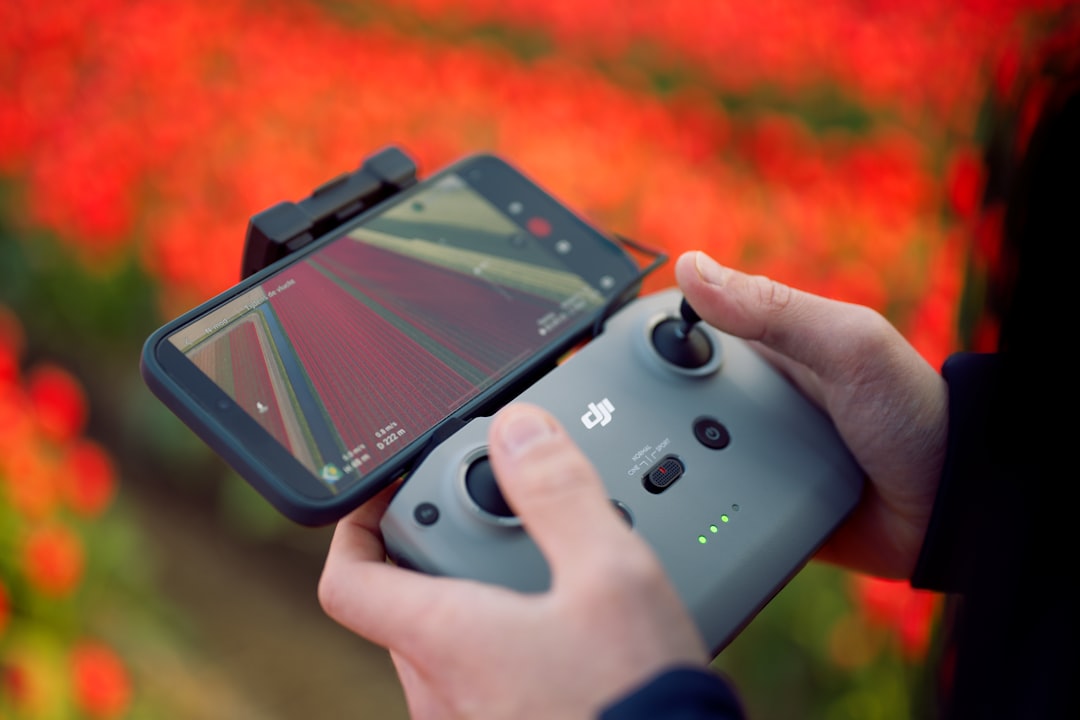
Finding the best crossplay games is less about chasing a single definitive list and more about knowing which games actually let your group play together across PC, PlayStation, Xbox, Switch, and mobile. This guide is built as a durable reference page: it explains how crossplay works, what to check before downloading, and which notable cross-platform games are worth considering by genre so you can spend less time comparing store pages and more time playing with friends.
Overview
Crossplay has gone from a special feature to one of the most useful filters in modern multiplayer gaming. For many players, it is now the deciding factor when choosing what to play next. A good game can still fail as a group game if one friend is on PC, another is on Xbox, and someone else only has a Switch or a phone. That is why a practical cross platform games list matters more than a simple popularity roundup.
This article focuses on notable games with crossplay potential across several genres, with an emphasis on how to think about compatibility rather than making rigid claims that may age poorly. Platform support can change, publishers sometimes expand or limit features over time, and even games that advertise crossplay may separate players by mode, account system, or matchmaking pool. Treat this page as a smart starting point and a checklist you can revisit whenever your group wants a new multiplayer game.
As a rule, the best crossplay games share a few traits. They have healthy matchmaking, clear account linking, simple onboarding for new players, and game modes that make platform differences less frustrating. Shooters, battle royale games, co-op survival games, sports titles, social games, and live-service action games are especially common places to find crossplay multiplayer games today.
If you are building a shared backlog for a friend group, it helps to organize choices by genre and by commitment level. Some games are perfect for one evening, while others ask for weeks of progression. Some are great for duos; others need a steady squad. That matters just as much as whether they technically support crossplay.
Below is a practical genre-based directory of game types and notable examples players commonly look for when searching for games with crossplay.
Shooter and battle royale crossplay games
This is still one of the strongest categories for cross-platform support. Competitive shooters and battle royale games often treat crossplay as a core feature because large matchmaking pools improve queue times and keep live-service communities active. These are often the first games groups test when they want something familiar and easy to jump into.
Notable examples to check include games in the style of Fortnite, Call of Duty: Warzone, Apex Legends, Overwatch 2, Halo Infinite, and other service-driven shooters that commonly support some form of cross-network play. In this category, always verify whether ranked modes, input-based matchmaking, or platform-specific playlists are handled differently from casual queues.
Co-op and PvE crossplay games
For many groups, crossplay co op games are more useful than competitive ones. Co-op reduces the input gap between mouse-and-keyboard and controller players, and it lowers the pressure for newcomers. This category includes looter shooters, co-op action RPGs, survival craft games, and mission-based team games.
Examples worth checking include games in the style of Destiny 2, Diablo IV, Minecraft, No Man's Sky, Deep Rock Galactic, Warframe, Sea of Thieves, and similar games that support long-term progression or session-based co-op. Here, the main questions are whether progression syncs across platforms, whether voice chat is built in, and whether downloadable content ownership matters for joining the same session.
Fighting and sports crossplay games
These games are often searched for but require closer checking. Crossplay support in fighting games can be excellent when rollback netcode and matchmaking are handled well, but platform support sometimes rolls out unevenly. Sports titles may support crossplay in some modes while keeping others separate.
If you are researching this category, verify matchmaking by mode first. It is common for casual online play to support broader pools than ranked, clubs, or tournament features. This is one of the most common sources of confusion in any cross platform games list.
Social, party, and family-friendly crossplay games
This is one of the best genres for mixed-platform groups and players with different skill levels. Party and social games succeed when setup is painless and the rules are easy to explain in a few minutes. Crossplay support turns them into reliable default picks for weekend sessions.
Games in the style of Rocket League, Minecraft, Among Us, Fall Guys, and casual social titles are often strong choices here. The best picks in this category support simple invites, short rounds, and low hardware demands.
MMO, sandbox, and long-term multiplayer worlds
These games can be the most rewarding crossplay experiences, but they also require the most verification. Persistent games often involve account systems, expansions, server selection, and progression rules. A game may support crossplay while still requiring everyone to create a publisher account, select the same region, or own the same content packs.
If your group wants a long-term game rather than a one-night option, this category is worth the extra setup effort. Just confirm the account model before anyone commits.
Core concepts
The fastest way to use a crossplay list well is to understand the terms publishers use. Many players say crossplay when they actually mean several different features. That leads to mistaken purchases and unnecessary frustration.
Crossplay
Crossplay means players on different platforms can play together in the same online environment. In plain terms, a PC player can join a console player, or a PlayStation player can match with an Xbox player, depending on the game. This is the core feature people mean when they search for best crossplay games.
Cross-platform
Cross-platform is often used interchangeably with crossplay, but it can also mean the game exists on multiple systems without guaranteeing those players can connect. A title might be available on PC, PlayStation, Xbox, and Switch while still keeping each ecosystem separate. That is why store pages alone are not enough.
Cross-progression
Cross-progression means your unlocks, save data, cosmetics, or account progress carry between systems. This is separate from crossplay. A game may let you play with friends on other platforms without letting you transfer progress. The reverse can also happen. If you swap between handheld, console, and PC, this may matter more than crossplay itself.
Cross-save
Cross-save usually refers to moving save progress between versions of a game. It is related to cross-progression but can be narrower in scope. For a co-op or live-service game, this distinction matters because character inventory, season progress, and paid content may not always behave the same way.
Input-based matchmaking
Some multiplayer games separate players by control method rather than platform. Controller users may be grouped together, while mouse-and-keyboard users are placed elsewhere. This is common in competitive games where fairness concerns are stronger than simple platform identity. If your group is worried about PC versus console balance, look for this setting.
Platform-limited crossplay
Not all crossplay is universal. Some games support only certain combinations, such as PC plus Xbox, or consoles together but not mobile. Others support matchmaking across all platforms but limit custom parties, ranked queues, or voice chat. The safest habit is to check the exact mode you plan to play, not just the headline feature.
From a buyer's guide perspective, these details matter because they shape value. A game that fully supports crossplay, cross-progression, and flexible invites is often easier to recommend than a technically impressive title with fragmented matchmaking. If your friend group uses subscriptions, it is also worth comparing whether access is included in a service. For that, see Game Pass vs PlayStation Plus vs Nintendo Switch Online: Which Subscription Is Best in 2026?.
Related terms
Several related ideas tend to appear alongside crossplay, and understanding them makes it easier to evaluate whether a game is a good fit for your group.
Online co-op
Online co-op means players team up against the game rather than against each other. Many players searching for crossplay multiplayer games are actually looking for low-stress co-op options. If your group has mixed skill levels, start here before trying ranked competitive games.
Drop-in, drop-out multiplayer
This feature lets friends join and leave with minimal friction. It is especially useful for adult schedules, larger friend groups, and games that become a regular weekly habit. For a crossplay title, good drop-in support can be more important than genre.
Dedicated servers vs peer-to-peer
Server model affects stability, host advantage, and party reliability. Competitive crossplay games usually benefit from dedicated servers. Smaller co-op games may use peer-to-peer connections, which can still work fine but may be more sensitive to host quality.
Account linking
Many crossplay games require linking a publisher account to platform accounts. This is normal, but it is also where confusion starts. Account linking can affect friend invites, progression, and entitlement recognition. Before recommending a game to your group, make sure everyone is willing to do this setup.
Platform ecosystem perks
Some games play similarly everywhere, but subscription libraries, storefront discounts, and reward programs can change the best place to start. A game that is inexpensive on PC may be included in a console subscription, while cosmetics or add-ons may be cheaper elsewhere. If you are timing a group purchase, it is smart to compare current offers through Best PC Game Deals Right Now Across Steam, Epic, GOG, Humble, and Fanatical and keep an eye on Free Games This Week: Epic, Steam, Prime Gaming, GOG, and Console Offers.
One more useful distinction: not every game needs crossplay to be the right recommendation. If your group is already on the same platform, a great non-crossplay game may still be the better answer. Crossplay is a practical filter, not a quality score by itself.
Practical use cases
The easiest way to use this guide is to match game type to your group's real situation. Here are the most common scenarios and the kinds of games that usually work best.
Use case 1: A mixed-platform friend group wants one reliable weekly game
Prioritize games with strong party tools, persistent accounts, and low setup friction. Co-op action games, social games, and accessible shooters work well here. Avoid games that hide crossplay behind separate launchers or unclear invite systems unless your group is willing to troubleshoot.
A good shortlisting method is simple: pick one competitive option, one co-op option, and one low-commitment social option. Then test all three over a weekend before anyone buys expansions or battle passes.
Use case 2: You want the best crossplay games for two players
Focus on duos-friendly structure. The best choices are usually survival games, mission-based co-op games, looter shooters, and flexible PvE sandboxes. Look for games where two players can make meaningful progress without needing a larger raid group or guild schedule.
Use case 3: One player is on older hardware or portable hardware
In that situation, art style and performance expectations matter more than trendiness. Prioritize games with lighter system demands, readable interfaces, and stable performance on weaker devices. Crossplay sounds ideal on paper, but a poorly optimized version can turn a good idea into a bad group pick.
If the bottleneck is display quality or input comfort rather than raw hardware, improving the setup may help more than replacing the game. For adjacent buying advice, see How to Judge a Gaming Display Deal: When a 40% Discount Is Actually Worth Buying.
Use case 4: You want a game the whole group can try cheaply
Start with free-to-play crossplay multiplayer games or titles included in a shared subscription library. This lowers the risk of the group bouncing off after one session. Free-to-play shooters, social games, and long-running live-service titles are common entry points. If you want to pair discovery with low cost, checking free game roundups and subscription catalogs is often better than browsing storefront tags manually.
Use case 5: You want something new around major release windows
Crossplay support is now a major launch feature for many multiplayer releases, but implementation details are often clarified close to release. If your group likes trying new games, revisit compatibility notes when launch approaches rather than assuming an early trailer or store listing tells the full story. A release calendar helps narrow your shortlist; see Video Game Release Dates 2026 Calendar for PC, PlayStation, Xbox, Switch, and Mobile.
A practical checklist before you recommend any crossplay game
- Confirm exactly which platforms can play together.
- Check whether crossplay applies to the mode you want, especially ranked or private lobbies.
- Verify whether account linking is required.
- Check if cross-progression matters for anyone switching devices.
- See whether expansions, DLC, or season access affect party compatibility.
- Make sure voice chat, invites, and friend lists work in a way your group will actually use.
- Compare entry cost across storefronts or subscription services before everyone commits.
If you do those seven checks, you will avoid most of the frustration that turns a promising cross platform games list into a wasted download night.
When to revisit
This topic is worth revisiting any time the market changes in ways that affect how people play together. Crossplay support is no longer static. It evolves with platform policy, account systems, live-service priorities, and post-launch patches. A game that was awkward to recommend a year ago may now be one of the smoothest multiplayer options available, while another may have added caveats that matter to your group.
Return to this guide when any of the following happens:
- Your group adds a new platform, such as handheld PC, Switch, or mobile.
- A game you are considering launches a major update, relaunch, or expansion.
- You move from casual play to ranked play and need to re-check matchmaking rules.
- You start caring more about shared progression across multiple devices.
- Subscription libraries rotate and change the cheapest place to start.
- A new multiplayer release claims crossplay but does not clearly define which modes support it.
The best way to use this page going forward is as a decision tool, not just a list. Start by deciding what your group needs most: low commitment, competitive depth, co-op progression, or wide device compatibility. Then narrow your options by genre and verify the exact features that matter for your sessions.
If you are maintaining your own shortlist, keep a simple note with five columns: game, platforms supported, crossplay status by mode, cross-progression status, and current best place to access it. That small habit turns a messy search across store pages into a reusable reference for your whole friend group.
Crossplay is ultimately about reducing friction. The best crossplay games are not only fun in isolation; they make it easy for real people with different devices, budgets, and schedules to meet in the same game world. That is the standard worth using when you decide what to play next.